High-Precision Vacuum Casting for
Rapid Prototypes &
Low-Volume Production
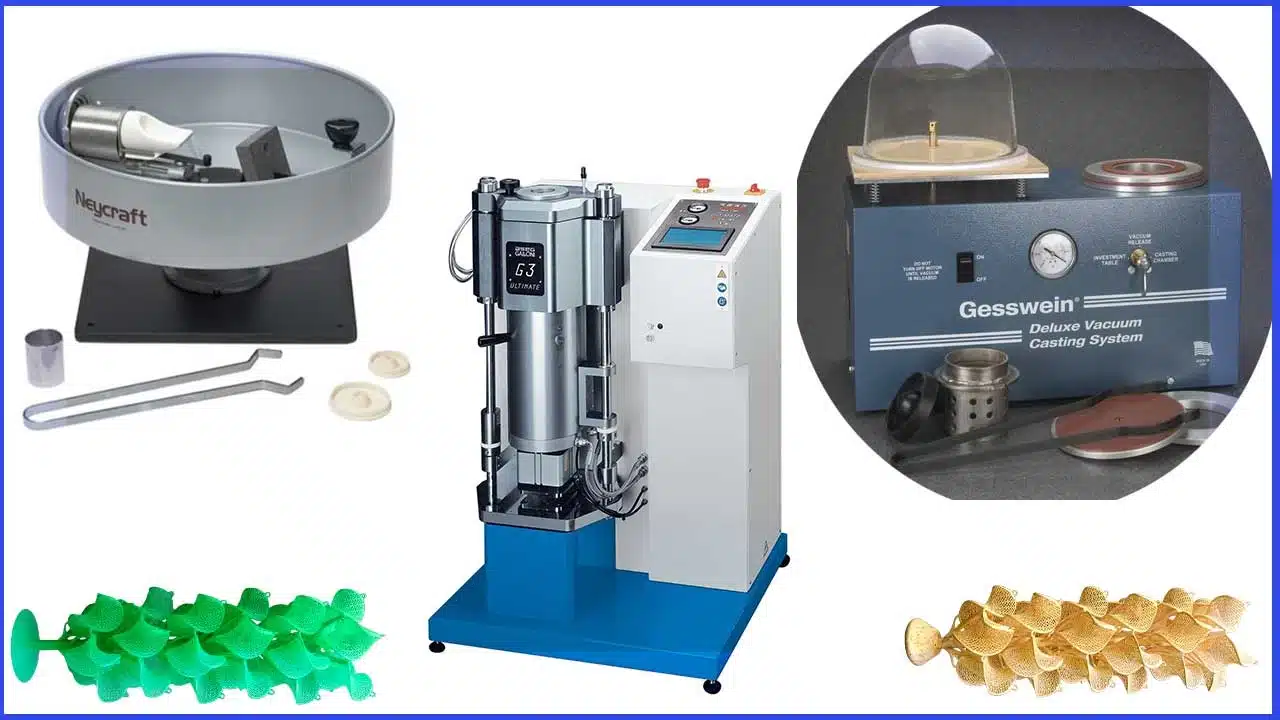
Rapzo Technology provides professional vacuum casting services for rapid prototyping and low-volume production. Using silicone molds and high-performance polyurethane materials, we produce accurate plastic parts with excellent surface finish, fine detail replication, and reliable functional performance.
From appearance models to functional prototypes and small-batch production parts, our vacuum casting solutions help customers validate designs faster and move efficiently toward production.
What Is Vacuum Casting?
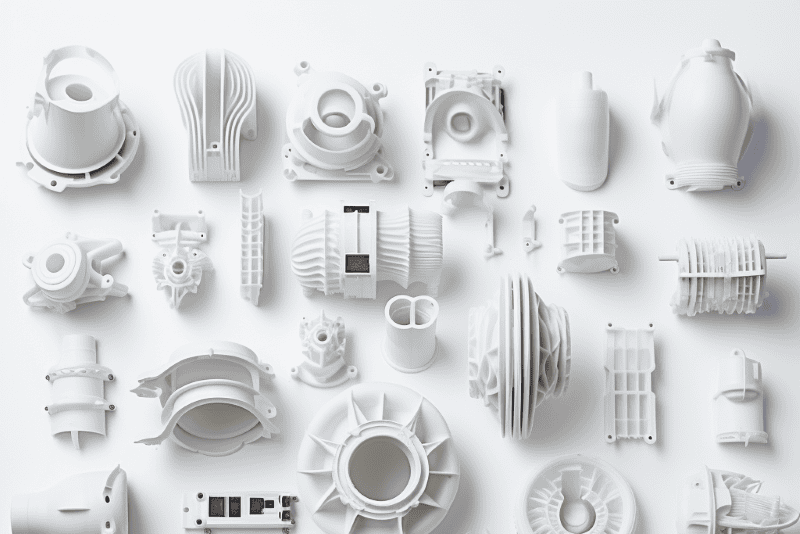
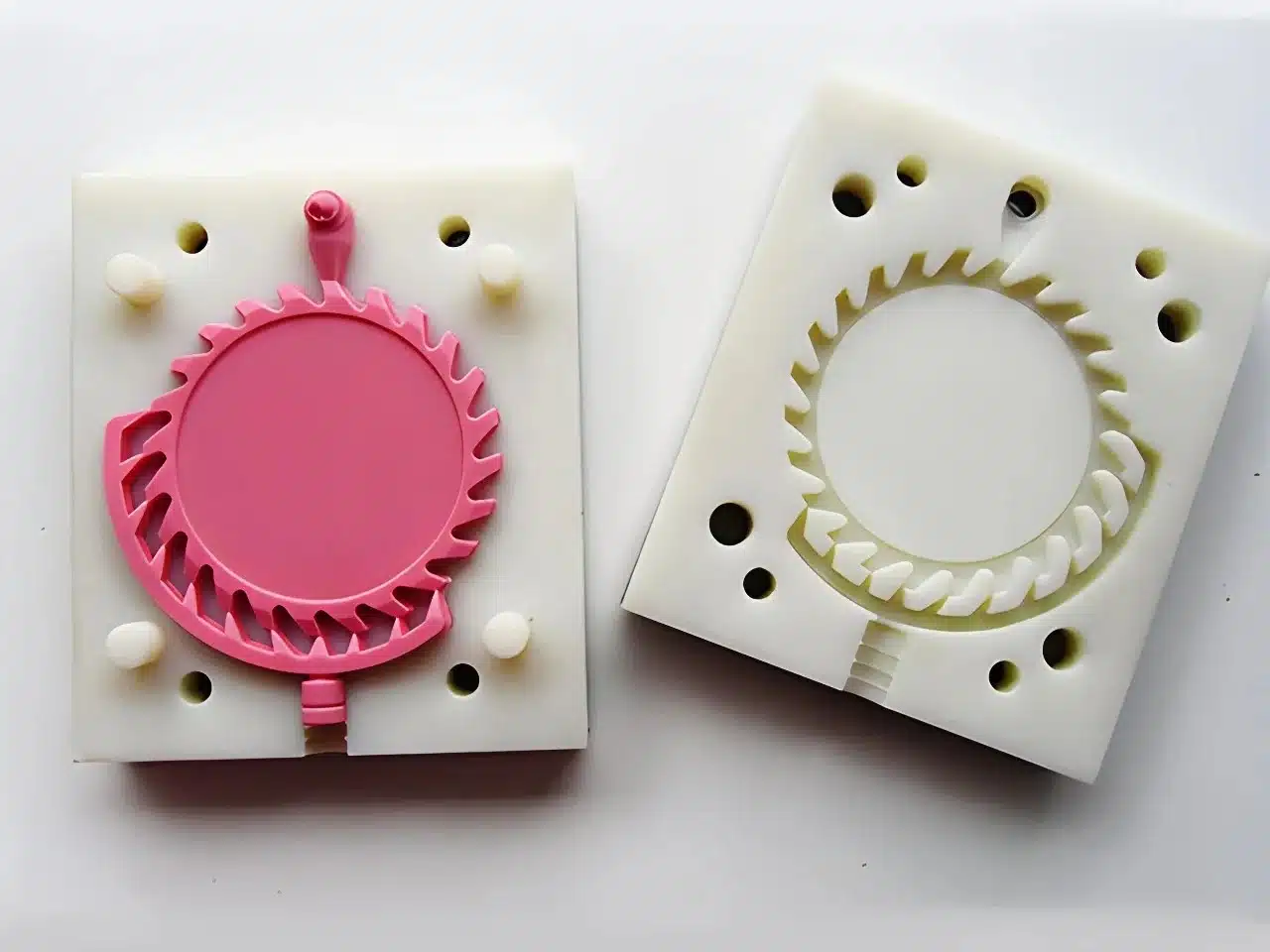
Vacuum casting is a manufacturing process used to produce high-quality plastic prototype parts and low-volume production components. The process uses a silicone mold — created from a precise master model — and polyurethane resin cast under vacuum conditions to replicate the original part with excellent accuracy and surface quality.
This process is especially suitable for projects that require fine detail replication, smooth surface finish, flexible material selection, functional prototype testing, and short production lead times.
Rapzo helps customers bridge the gap between prototype development and mass production by delivering vacuum cast parts that closely match final-use requirements.
Vacuum Casting Process Overview
Every vacuum casting project follows a controlled and repeatable process to ensure dimensional accuracy, part consistency, and high-quality surface results.
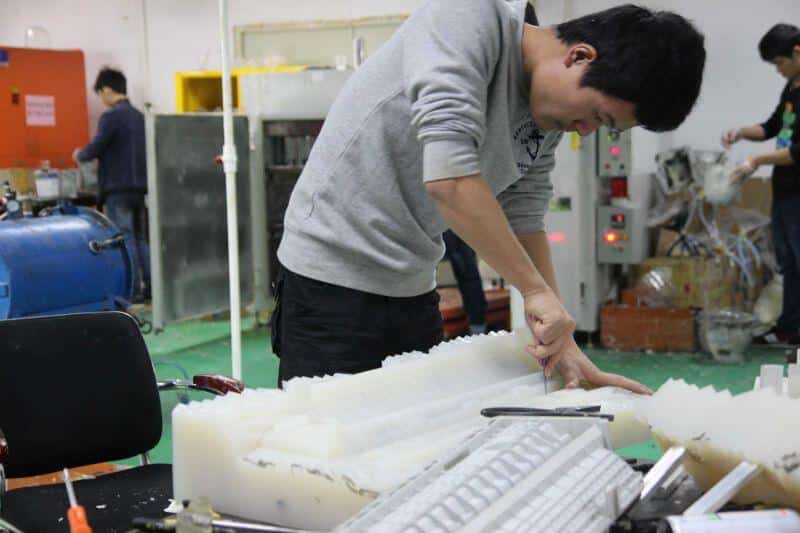
Master Model Creation
The process begins with a precise master model created by CNC machining or 3D printing. This master serves as the original reference for mold production.
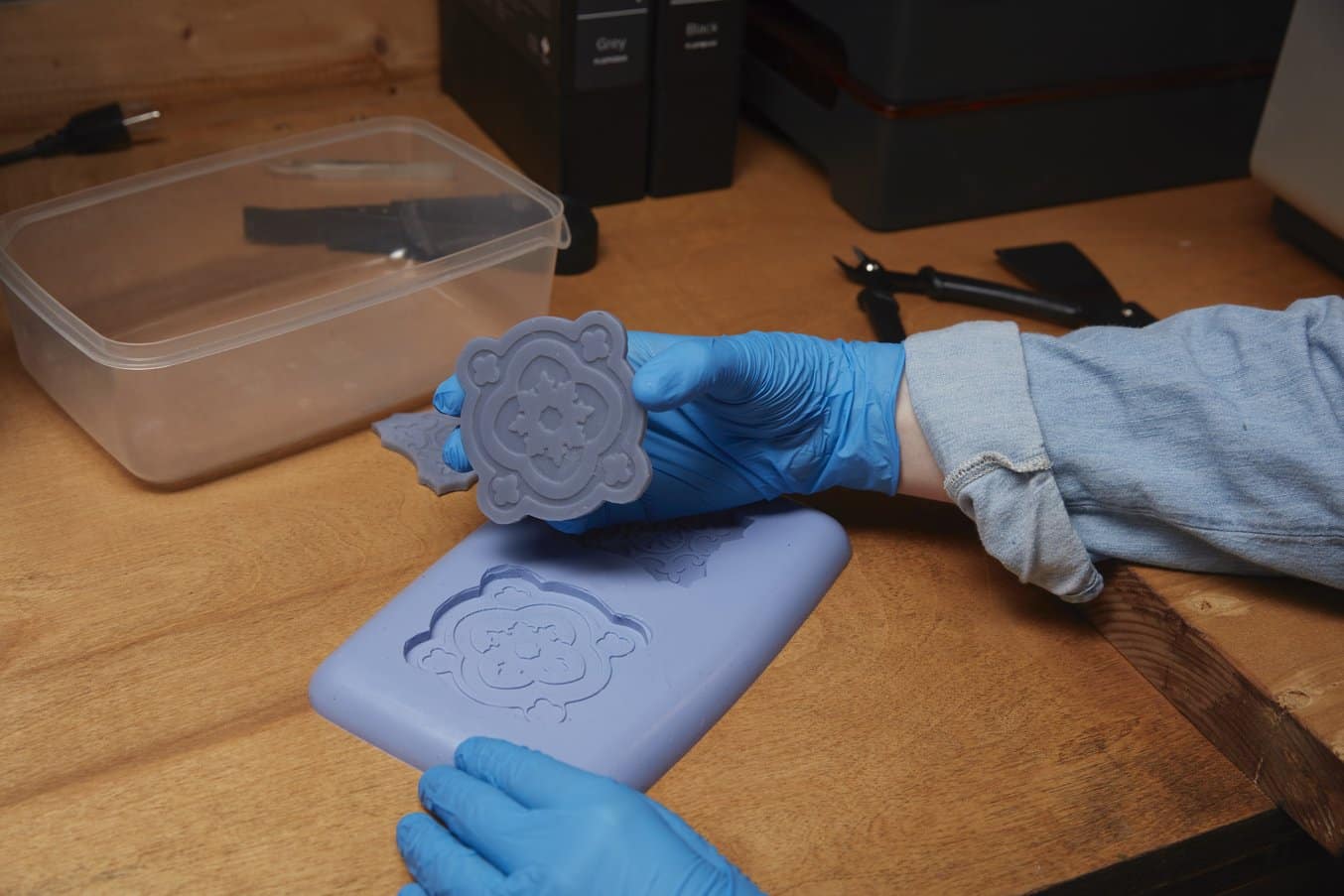
Silicone Mold Making
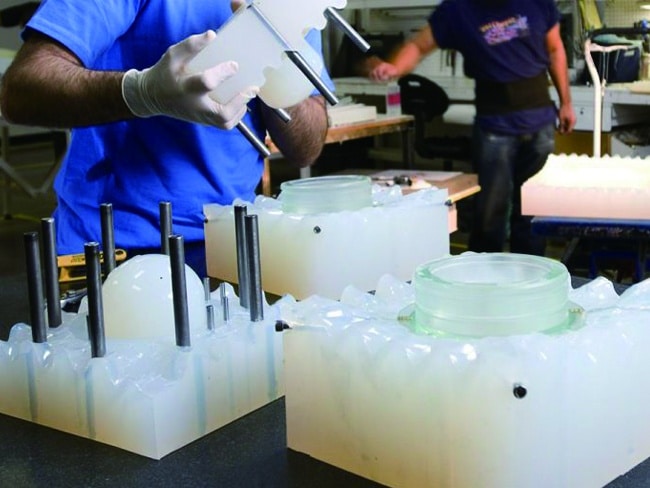
Liquid silicone is poured around the master model to create a flexible mold that captures every detail, texture, and contour of the original part.
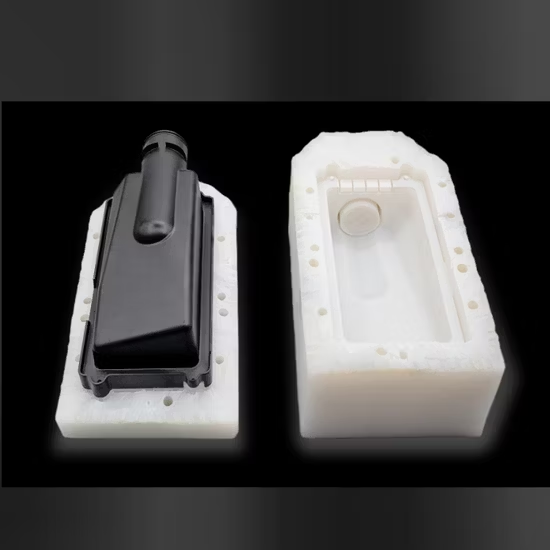
Vacuum Casting
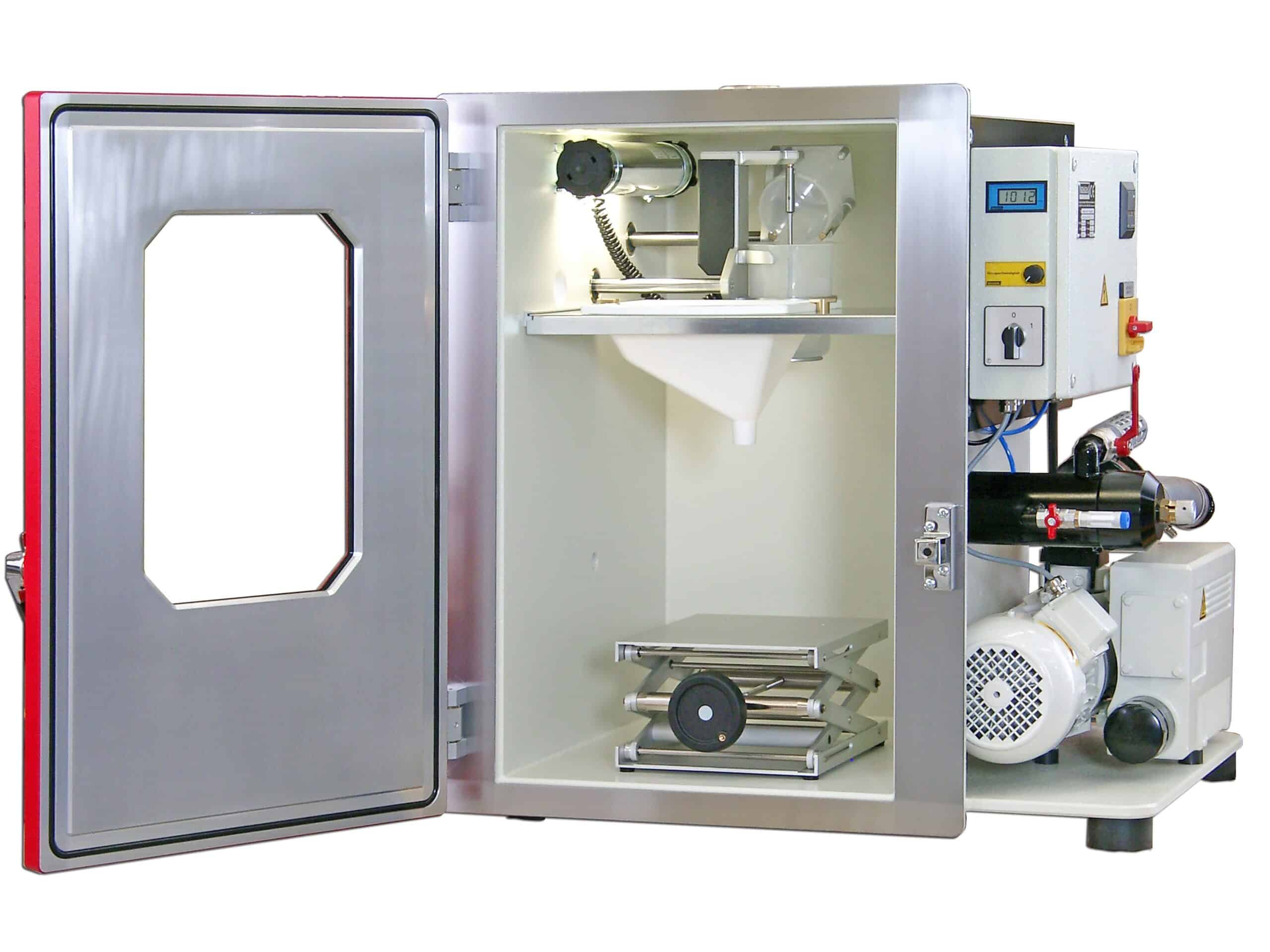
Polyurethane resin is poured into the silicone mold under vacuum conditions. This removes trapped air and ensures smooth, defect-free casting with excellent detail reproduction.
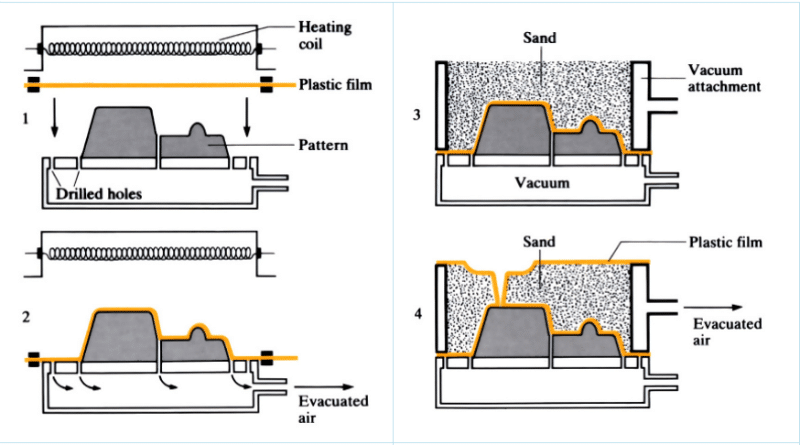
Demolding & Finishing
After curing, the cast parts are removed from the mold and finished as needed. Trimming, sanding, painting, and surface treatments can be applied depending on project requirements.
Materials for Vacuum Casting
Rapzo offers a range of vacuum casting materials to meet different prototype and functional testing requirements. Common material options include:
Rigid Polyurethane
Ideal for strong structural parts requiring dimensional stability and mechanical durability in functional testing environments.
Flexible Polyurethane
Suitable for soft-touch components, elastic parts, and products requiring rubber-like properties or overmold simulation.
Transparent Resins
For clear housings, display covers, and optical components requiring high clarity and smooth surface quality.
Colored Casting Materials
For presentation models and appearance validation, enabling accurate color matching and visual evaluation before production.
By selecting the right material based on mechanical performance, hardness, flexibility, and appearance, we help customers create prototype parts that better simulate final production conditions.
Advantages of Vacuum Casting
Vacuum casting is an efficient solution for prototype development and low-volume manufacturing when speed, appearance, and cost control matter.
Excellent Surface Finish
Vacuum cast parts offer smooth surfaces and fine detail reproduction, making them ideal for presentation models and product evaluation.
Fast Turnaround
Compared with tooling for injection molding, vacuum casting provides much faster lead times for prototype and small-batch parts.
Cost-Effective Low-Volume Production
For limited quantities, vacuum casting is a practical and economical solution that avoids the high upfront tooling cost of mass production methods.
Material & Design Flexibility
The process supports a variety of resin materials and allows teams to validate design concepts before final production investment.